Shanghai Cultural Attractions: 10 Best Temples, Museums & Historic Lanes You Can’t Miss
Shanghai’s real magic lies in how effortlessly it weaves ancient serenity into modern city chaos. If you’re hunting for Shanghai cultural attractions that go beyond the skyline, this curated list splits perfectly into three layers—temples, museums, and historic lanes—to help you uncover the city’s soul. For an even broader look at what the city offers, browse our full guide to Shanghai attractions. No dry history lessons here, just places that stop you in your tracks.
Shanghai Cultural Attractions: Three Must-Visit Temples
Right inside Shanghai’s buzzing downtown, a few spiritual hideaways wait in silence. These are not just active temples—they’re living pieces of the city’s cultural memory, with architectural details that will make you reach for your camera.
1. Jing’an Temple
Jing’an Temple is one of the city’s most striking Shanghai cultural attractions, with origins stretching back to 247 AD. It sits squarely in the middle of the Nanjing West Road commercial district, its golden roofs and vermilion pillars glowing against a backdrop of glass skyscrapers—the perfect snapshot of old meeting new. Inside, a 15-ton silver Buddha dominates the main hall, while Tang and Song dynasty influences shape the architecture.
Address: No. 1686 Nanjing West Road, Jing’an District
Metro: Line 2 or Line 7, Jing’an Temple Station
Entry: 50 RMB (about US$7). Go around sunset, when warm light pools on the golden eaves—it’s a breathtaking moment in an often-overlooked corner of the city.
2. Longhua Temple
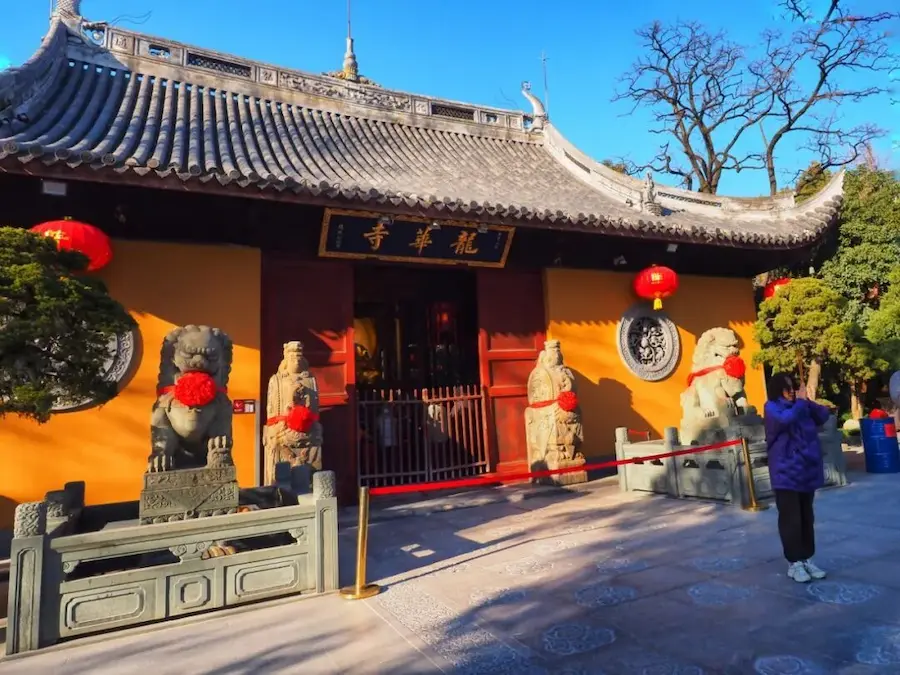
Longhua Temple is Shanghai’s oldest and largest monastery, said to date back to the same Three Kingdoms period as Jing’an. Its central axis stretches 194 meters along a Song Dynasty layout, giving the whole compound a dignified, ancient rhythm. The Longhua Pagoda, standing about 41 meters tall, remains the only millennium-old pagoda in downtown Shanghai—a true landmark among Shanghai cultural attractions. Every Lunar New Year, huge crowds gather for the bell-ringing blessing ceremony; locals believe this is the place to pray for career success and academic progress.
Address: No. 2853 Longhua Road, Xuhui District
Metro: Line 11, Longhua Station
Don’t miss: The entry fee is 10 RMB (about US$1.50). The temple’s vegetarian noodles, with broth simmered for hours from mushrooms and bamboo shoots, are legendary. There’s even a playful coffee menu—the americano is called “No Worries,” and the oat milk latte is “Good Karma.”
3. Jade Buddha Temple
This temple gets its name from two rare jade Buddhas brought from Myanmar. The showstopper is a 1.9-meter seated Buddha carved from a single block of flawless white jade, luminous and serene—one of those Shanghai cultural attractions that truly stays with you long after you leave. Founded in 1882, the temple incorporates subtle Southeast Asian design elements. For a deeper dive, see our dedicated article on the Jade Buddha Temple Shanghai. People often visit specifically to pray for romantic blessings or financial fortune.
Address: No. 170 Anyuan Road, Putuo District
Metro: Line 13, Jiangning Road Station
Try this: Entry is 40 RMB (about US$5.50). Beyond the main halls, you can join a free sutra-copying session at the Manjusri and Samantabhadra halls—a quiet, meditative pause most tourists miss.
Shanghai Cultural Attractions: Three Heavy-Hitting Museums
To truly understand China’s ancient artistry and Shanghai’s wild journey from fishing village to global metropolis, you need to step into these three museums. Each one deepens your grasp of the city’s cultural layers.
1. Shanghai Museum
Among Chinese museums, the Shanghai Museum stands in a league of its own. Its collection of nearly 1.02 million artifacts is especially famous for Shang and Zhou dynasty bronzes, classical calligraphy, and ceramics—one-stop immersion into ancient Chinese civilization. It now operates across two buildings: the People’s Square location and the newer East Branch in Pudong. Both are world-class Shanghai cultural attractions in their own right.
Address: People’s Square Hall — No. 201 Renmin Avenue, Huangpu District; East Hall — No. 1952 Century Avenue, Pudong
Metro: Lines 1, 2, or 8, People’s Square Station
Plan ahead: Free entry, but you must reserve a spot in advance through official channels. Open 9:00–17:00, closed Mondays.
2. Shanghai History Museum
If you want to quickly understand how a humble fishing port became the powerhouse it is today, this museum connects all the dots. Through historical artifacts, old photographs, and immersive displays, it traces Shanghai’s transformation from its 1843 port opening through its cultural shifts and revolutionary years—essentially a crash course in the city’s DNA.
Address: No. 325 Nanjing West Road, Huangpu District
Metro: Lines 1, 2, or 8, People’s Square Station
Plan ahead: Free entry, reservation required. Open 9:00–17:00, closed Mondays.
3. Sihang Warehouse Memorial
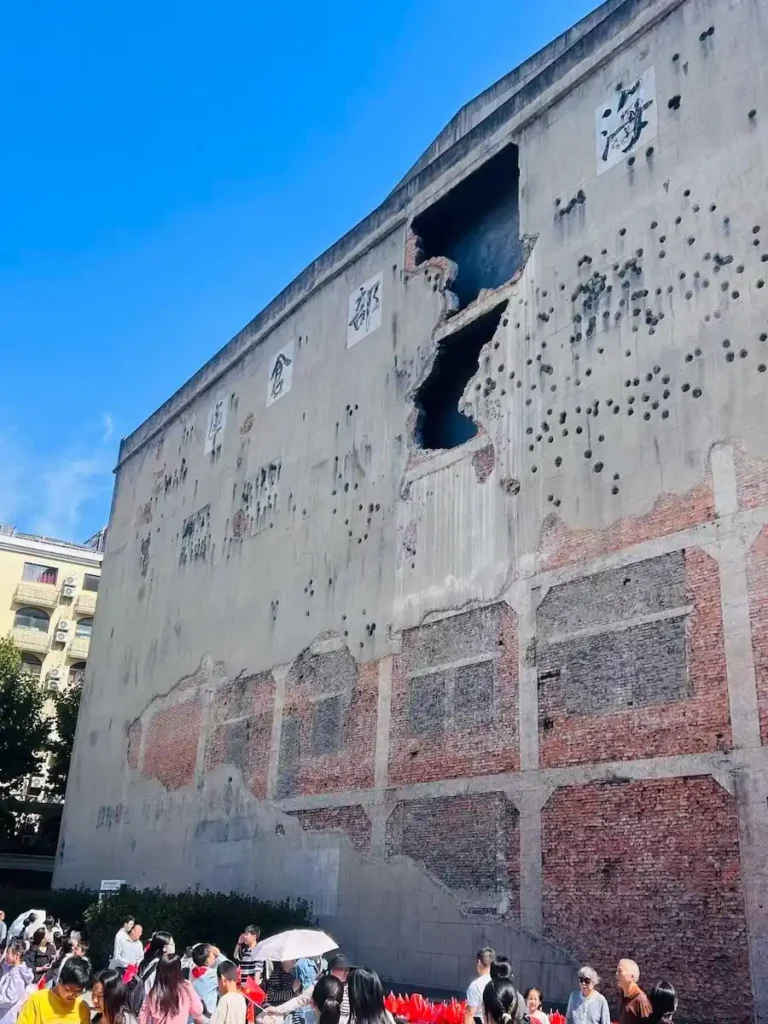
This is no ordinary museum—the building itself serves as the main exhibit. During the 1937 Battle of Songhu, this warehouse became a critical battleground, and its outer walls are still riddled with bullet holes, preserved exactly as they were. The exhibitions inside honor the soldiers who fought against overwhelming odds. It’s one of the most sobering and powerful Shanghai cultural attractions for anyone interested in modern Chinese history.
Address: No. 21 Guangfu Road, Jing’an District
Metro: Line 8, Qufu Road Station
Plan ahead: Free entry, reservation required. Closed Mondays.
Shanghai Cultural Attractions: Four Historic Lanes & Boulevard Walks
Shanghai’s history doesn’t just live behind museum glass. It breathes in the streets. Slow down, wander without a strict plan, and these four historic stretches will show you a side of the city that postcards can’t quite capture.
1. The Bund (Wide Building Expo Group)
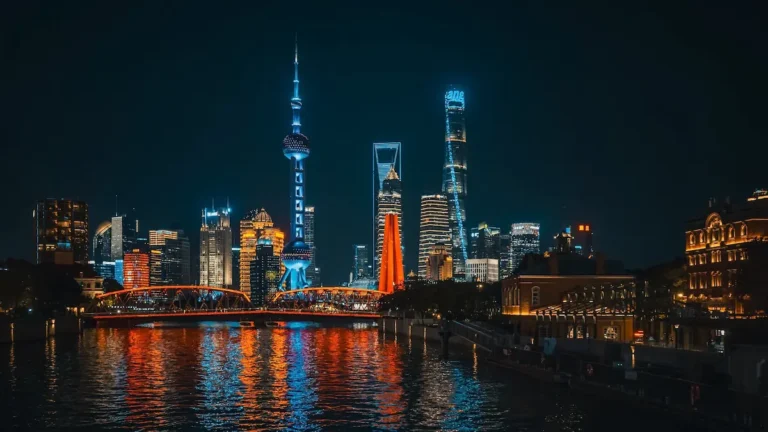
Stretching 1.5 kilometers along the Huangpu River, the Bund’s western side is lined with 52 century-old European buildings in Gothic, Baroque, and Renaissance styles—a stone timeline of Shanghai’s colonial era. Across the water, Pudong’s trio of super-skyscrapers pierces the sky. This stark contrast between classical grandeur and futuristic ambition makes the Bund not only the most iconic of all Shanghai cultural attractions, but also a perfect starting point for any visit. You can plan your stroll with our guide to The Bund Shanghai.
Address: along the Huangpu River, Huangpu District
Metro: Line 2 or 10, East Nanjing Road Station
How to do it: Free and open all day. Arrive in the late afternoon to explore the buildings, then wait for the riverside light show around 19:00–21:00.
2. Nanjing Road Pedestrian Street
Known as “China’s No.1 Commercial Street,” Nanjing Road has drawn shoppers for over a century. Vintage Shanghai brands sit alongside global flagship stores, creating a lively mix of commerce and nostalgia. You can eat, browse, and people-watch all on one street—and the occasional sight of old-fashioned trolley cars adds a retro charm. As you wander, you’ll quickly see why this is one of the city’s essential Shanghai cultural attractions.
Address: Nanjing Road, Huangpu District
Metro: Line 2 or 10, East Nanjing Road Station
How to do it: Start from the Bund and walk westward. Let the neon-lit crowds pull you along.
3. Wukang Road
Often called a “condensed century of Shanghai history,” Wukang Road sits in the former French Concession, shaded by towering plane trees. It holds 14 officially protected heritage buildings, including the famous Wukang Mansion and various old residences of writers, diplomats, and revolutionaries. This lane later appeared in scenes from Ang Lee’s Lust, Caution, and today it’s filled with cozy coffee shops and design boutiques. Wukang Road remains one of the most atmospheric Shanghai cultural attractions for anyone who loves architecture and quiet streets—the kind of place that belongs on any list of Shanghai hidden gems.
Address: Wukang Road, Xuhui District
Metro: Line 11, Jiaotong University Station
How to do it: Set aside half a day for slow walking and leisurely photography. Wukang Mansion, shaped like a giant ship bow, is your anchor landmark.
4. Tianzifang
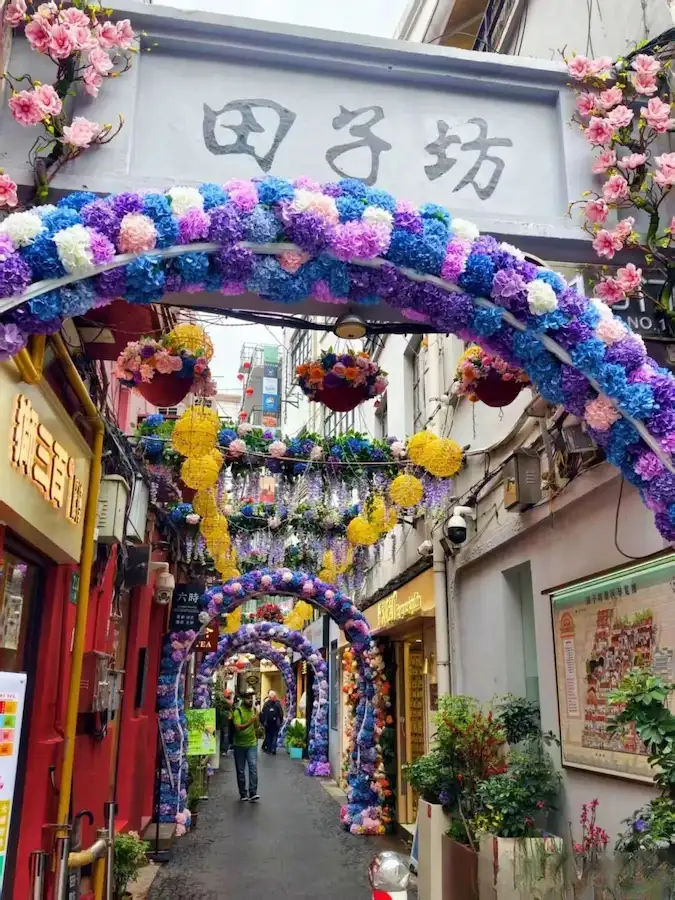
Winding through a maze of old Shikumen lane houses, Tianzifang has transformed into a lively creative quarter. Tiny alleys hide craft workshops, indie galleries, vintage jewelry stalls, and street-food vendors selling everything from stinky tofu to scallion pancakes. Unlike the polish of wide boulevards, this area keeps the raw, intimate energy of old Shanghai’s residential lanes intact. It’s exactly the kind of vibrant, lived-in Shanghai cultural attraction that makes the city feel personal rather than grand.
Address: Lane 210, Taikang Road, Huangpu District
Metro: Line 9, Dapuqiao Station
How to do it: Grab a snack, wander into whichever narrow passage catches your eye, and snap photos of the colorful murals and quirky shopfronts.
Quick Tips for Foreign Visitors
Transit app: Download “Metro大都会” or activate the transit code inside Alipay/WeChat. Shanghai’s subway reaches nearly all the Shanghai cultural attractions on this list.
Reservations: Most major museums require real-name booking 1–3 days ahead via official mini-programs, especially on weekends and holidays. Don’t just show up.
Monday closures: Almost all museums close on Mondays—double-check before heading out.
Best seasons: March through May and September through November deliver the most comfortable weather for walking tours. If you’re still deciding what to prioritize, our roundup of Shanghai top attractions can help you choose.
Shanghai doesn’t shout its stories—it layers them quietly between incense-filled halls, bullet-scarred walls, and tree-lined lanes. The city is waiting. Lose yourself in one of these lanes tomorrow.
This guide can become your real trip
Instead of piecing everything together alone, let me and our team build your perfect Shanghai itinerary — from the Bund at sunrise to the best soup dumplings in town.
📋 Plan My Shanghai Trip