Historic Shanghai Tours: An American’s Guide to Time-Travel in China’s Global City
- 1. Pre‑Trip Preparation
- 2. The Bund & Colonial History: Where Shanghai Went Global
- 3. Old Town & Yuyuan Garden: Traditional China Preserved
- 4. Former French Concession: Leisurely Strolls Under Plane Trees
- 5. Nearby Water Towns: Experience Jiangnan Culture
- 6. Museums: Systematic History Lessons
- 7. Practical Itinerary Tips
- Shanghai Historic Tours at a Glance
Early morning under the plane trees in Shanghai’s former French Concession, an American couple scans a QR code on their Oriental Lifestyle Guide Map to plan the day. Sunlight filters through century‑old branches onto these historic streets. For an excellent general introduction, our comprehensive shanghai travel guide is the perfect starting point.
Shanghai, the international metropolis split by the Huangpu River, is both a window into China’s modernity and a city of profound historical depth. For American visitors, a well‑planned historic Shanghai tour is like walking through a living history book—from the 19th‑century colonial buildings on the Bund to 16th‑century classical gardens and water towns that retain their Ming‑Qing character.
1. Pre‑Trip Preparation
A little preparation will make your historic Shanghai tours smoother and more enjoyable. Be sure to check our shanghai tips for the latest practical advice.
Best time: Spring (March‑May) and autumn (September‑November) offer the most comfortable weather for long walks.
Trip length: We recommend 3-5 days to experience the city’s historical layers comfortably. You can explore various shanghai itineraries on our site to find one that suits you.
Language: Major tourist sites have English signs. Hotels and larger restaurants usually have English‑speaking staff. Download the English versions of Baidu Maps or Gaode Maps for navigation.
Payment: Mobile payments are ubiquitous. Set up Alipay or WeChat Pay linked to an international credit card. Also carry some Chinese cash (RMB) for smaller vendors. For reference, 100 RMB ≈ 14 USD.
Historical context: Knowing Shanghai’s basic timeline enriches your visit: the pre‑treaty era (before 1843), the concession period (1843‑1943), and modern development. This framework helps you appreciate what you see.
2. The Bund & Colonial History: Where Shanghai Went Global
The Bund shanghai china is the city’s most iconic historic district and the best place to understand its origins as an international hub. This 1.5‑kilometer waterfront is an open‑air “architecture museum.”
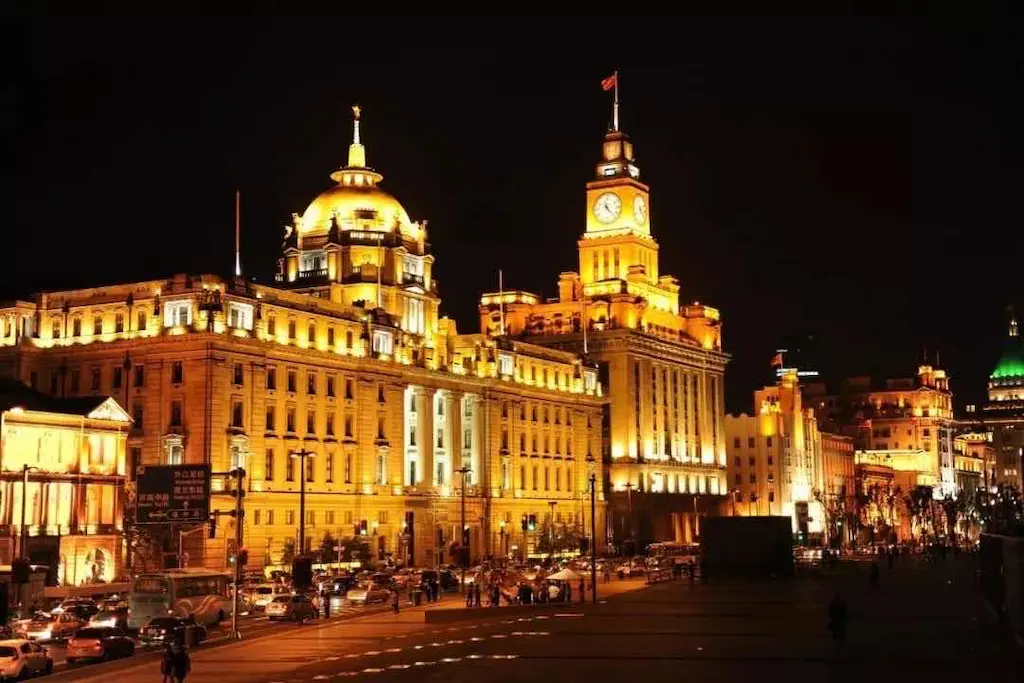
These buildings were mostly constructed from the late‑19th to early‑20th centuries. Their diverse architectural styles—Neoclassical, Renaissance, Art Deco—are a direct result of Shanghai’s opening as a treaty port.
How to visit:
Start at Yan’an East Road in the south and stroll north to Waibaidu Bridge. Mornings are quieter, ideal for photos.
Key buildings:
Former HSBC Building (now Pudong Development Bank): Once guarded by two bronze lions.
Custom House: Its clock tower was inspired by London’s Big Ben.
Peace Hotel: A legendary hotel that hosted countless international celebrities.
Tip:
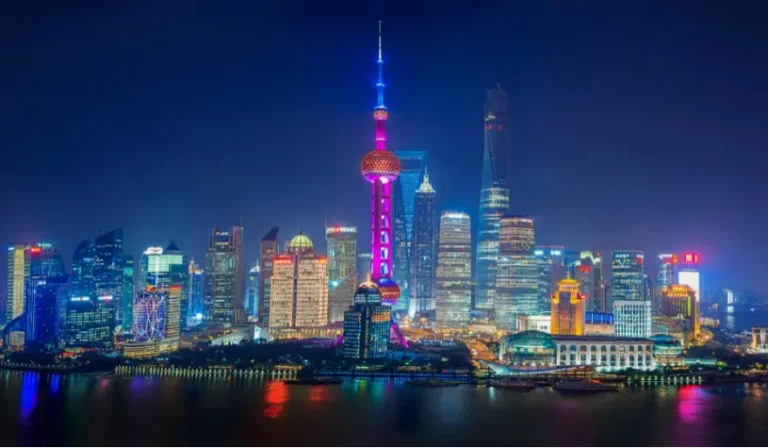
Spend at least half a day. For a seamless experience covering multiple highlights, consider booking a best of shanghai day tour. Return at dusk to see the historic facades lit up, facing Pudong’s modern skyline—a breathtaking dialogue across centuries.
3. Old Town & Yuyuan Garden: Traditional China Preserved
In contrast to the Western‑flavored Bund, the Old Town (Nanshi) preserves Shanghai’s traditional Chinese roots. This is where the city began.
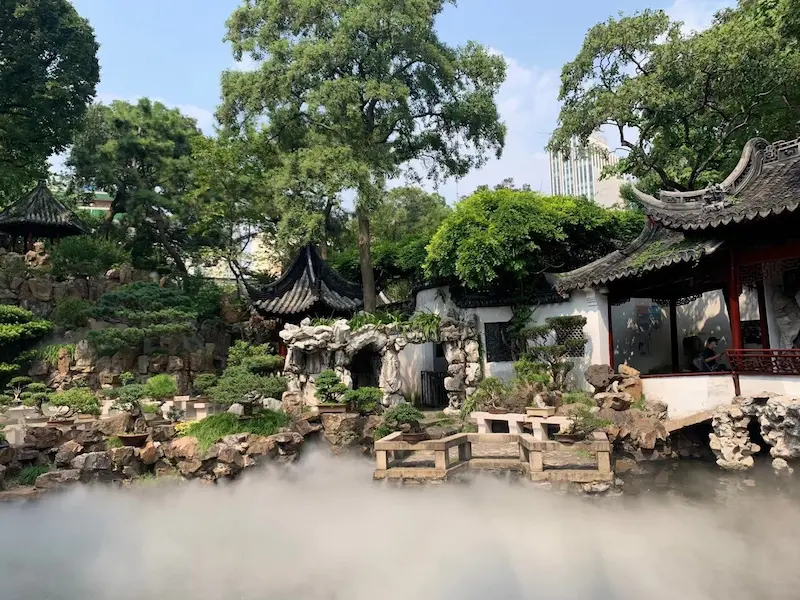
Yuyuan Garden, built in the 16th century (Ming Dynasty), is the highlight. It is a perfect example of classical Chinese garden design.
Route suggestion:
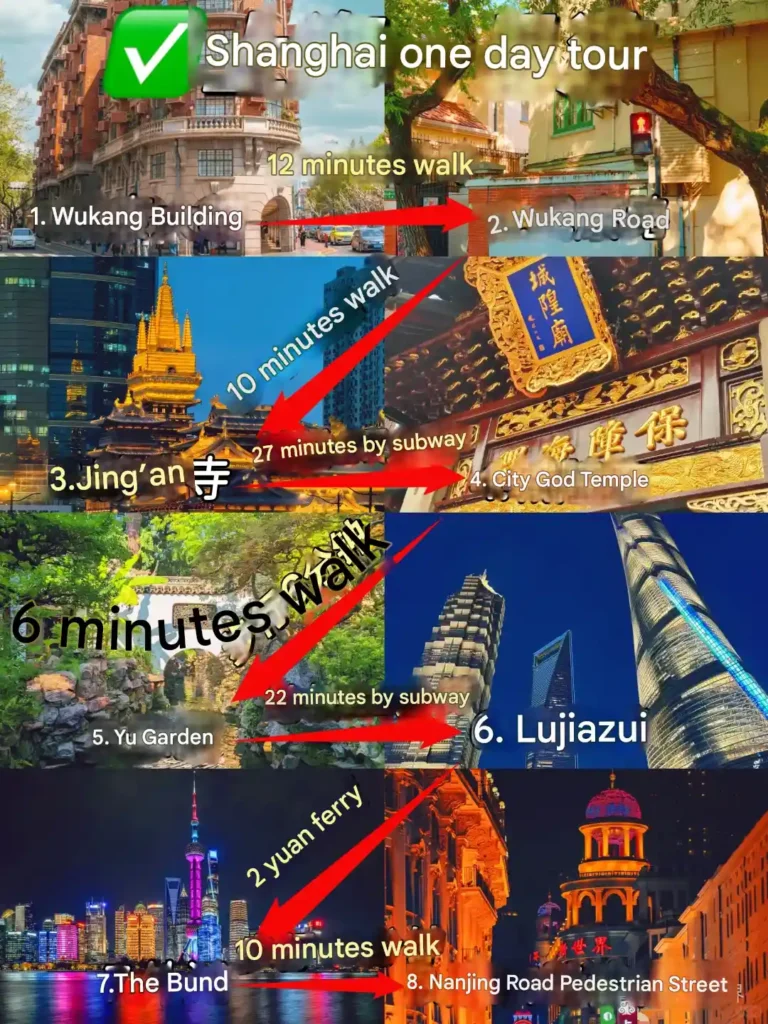
Yuyuan Garden → City God Temple → Chenxiang Pavilion → Siming Gongsuo → Baiyun Temple → Old City Wall (Dajing Pavilion) → Shanghai Confucian Temple.
Food experience:
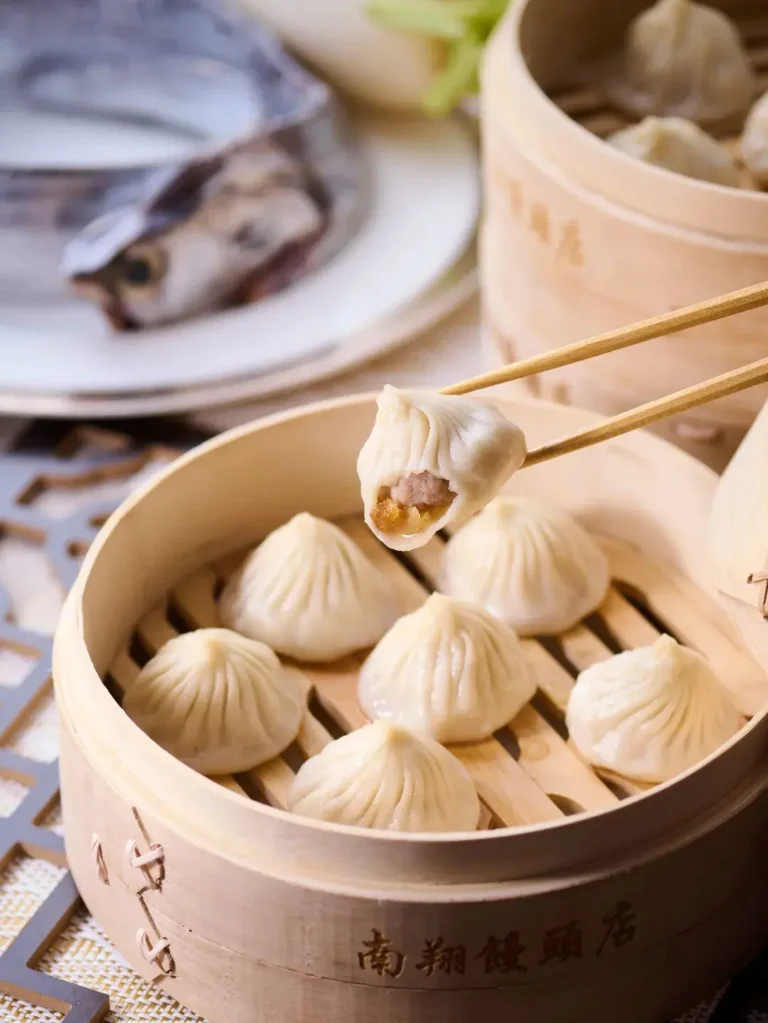
This area is also great for traditional Shanghai snacks. To truly savor the local cuisine, explore our shanghai street food guide or join a dedicated shanghai food tour.
Tip:
Allocate a full day. Visit the garden and temples in the morning, explore narrow lanes and traditional markets in the afternoon, and enjoy a local dinner in the evening.
Yuyuan Garden entrance: about 40 RMB (≈ 6 USD).
4. Former French Concession: Leisurely Strolls Under Plane Trees
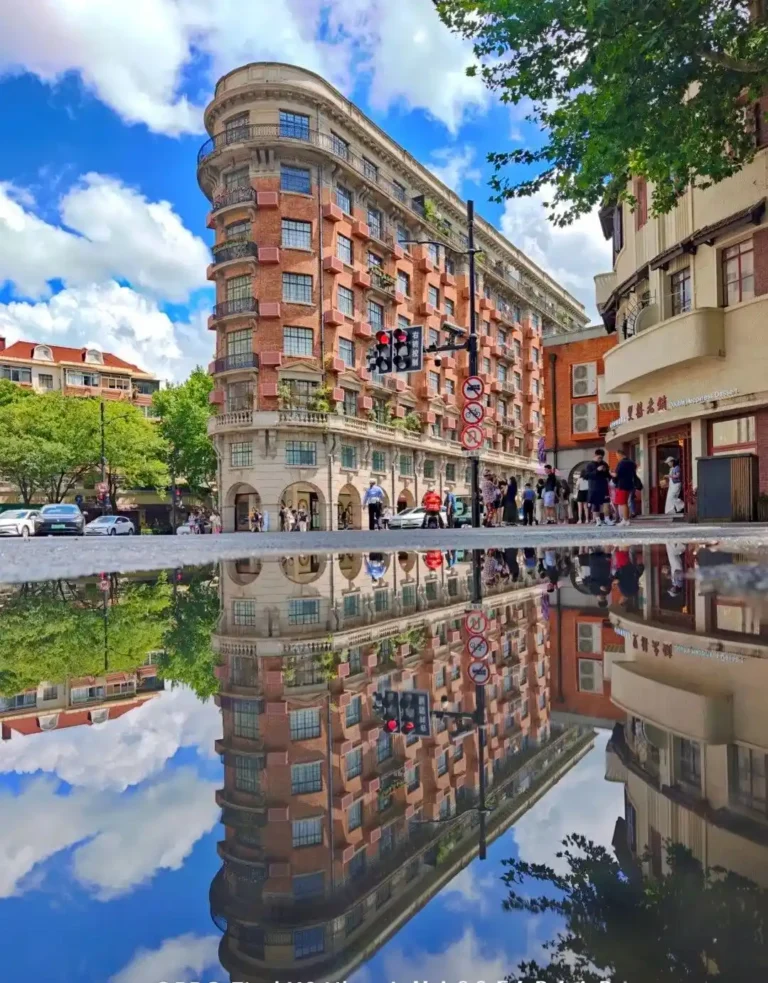
Today’s Hengfu Historical and Cultural Area offers a different historic Shanghai tour experience: quiet streets, lush plane trees, and elegant old villas.
How to explore:
Simply wander. Turn off Huaihai Road into any side street—you’ll find surprises. Many old buildings now house stylish restaurants, boutiques, or art spaces.
Highlights:
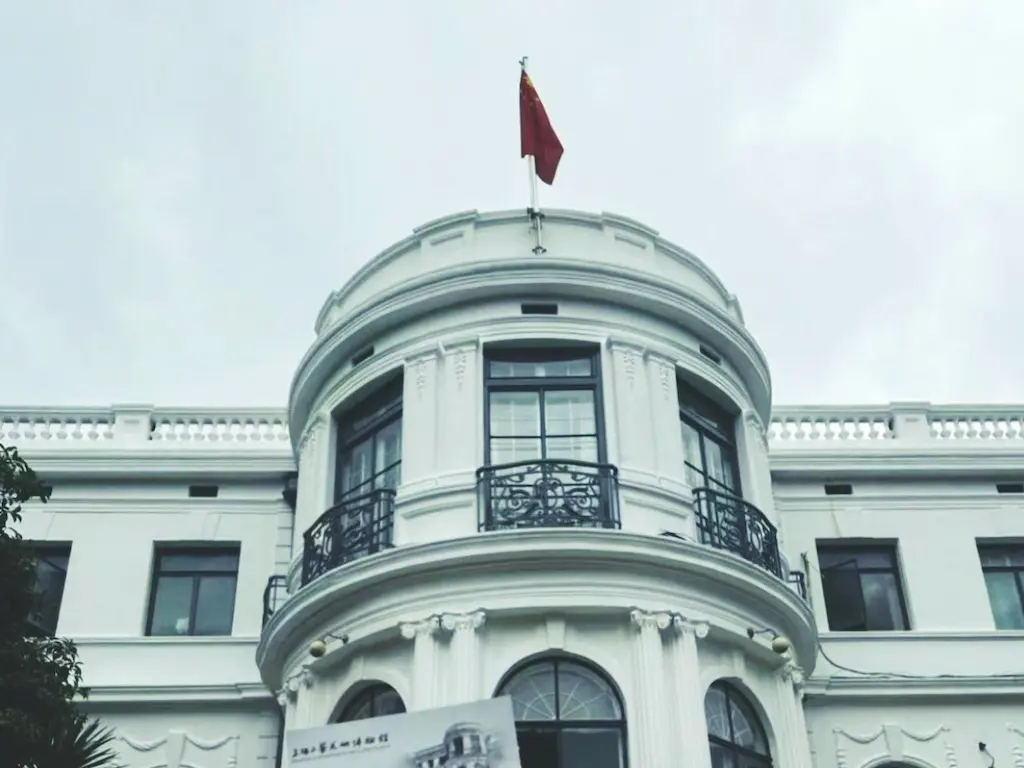
Shanghai Craft Art Museum: An elegant white villa, known as the “Little White House.”
Blackstone Apartments: A historic building transformed into a cultural space.
Numerous old villas and shikumen lane houses often hide contemporary art galleries.
5. Nearby Water Towns: Experience Jiangnan Culture
To fully appreciate Shanghai’s history, don’t miss the surrounding water towns. They are ideal day trips shanghai china, to see the region’s original Jiangnan water‑village character.
Zhujiajiao:
Shanghai’s largest, best‑preserved water town, with a history dating to the Three Kingdoms period.
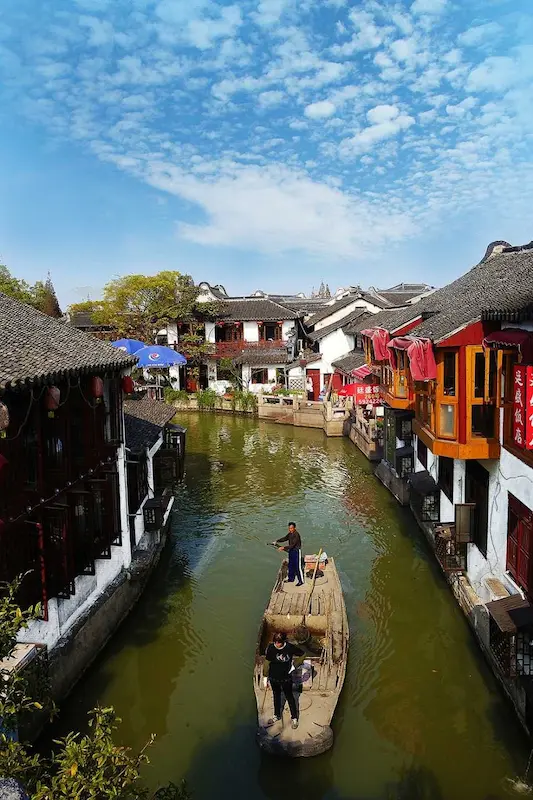
Experience: Take a hand‑rowed boat along the canals. Taste local dishes.
Admission: Town is free; combo ticket for small sights is about 30 RMB (≈ 4 USD).
Nanxiang:
Famous for Guyi Garden and authentic Nanxiang soup dumplings.
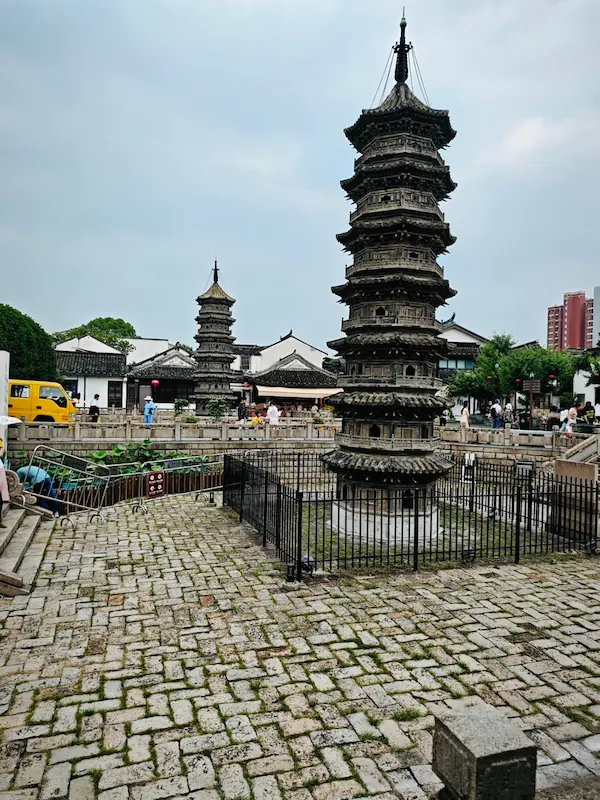
Experience: Enjoy the classical garden and sample street snacks along the old street.
6. Museums: Systematic History Lessons
Visiting museums is a key part of any historic Shanghai tour.
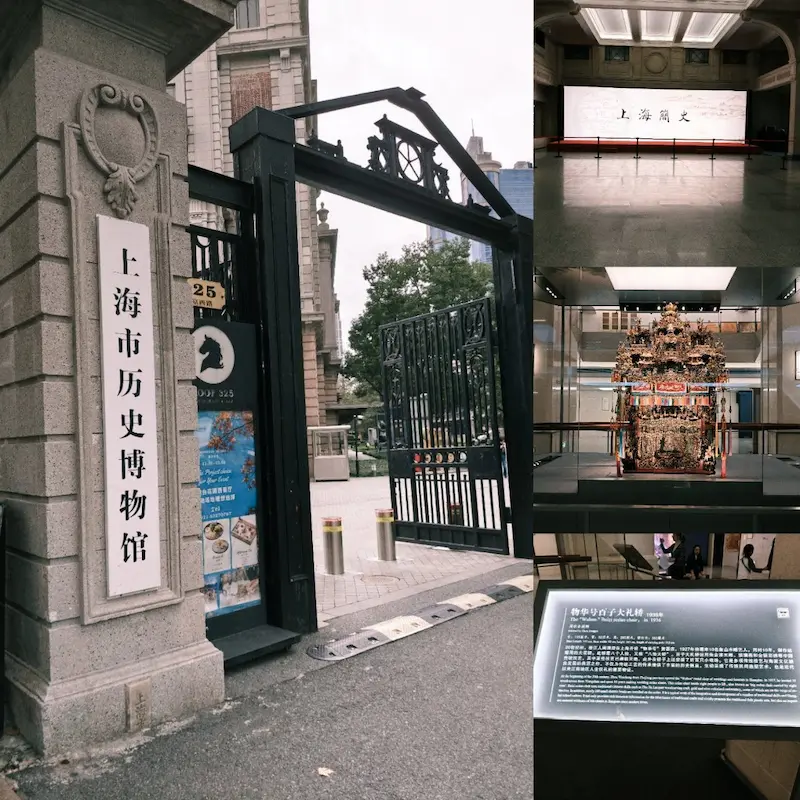
Shanghai History Museum: Chronicles Shanghai from ancient times to today. Free, closed Mondays.
Shanghai Urban Planning Exhibition Center: Shows the city’s past, present, and future. Free, booking required.
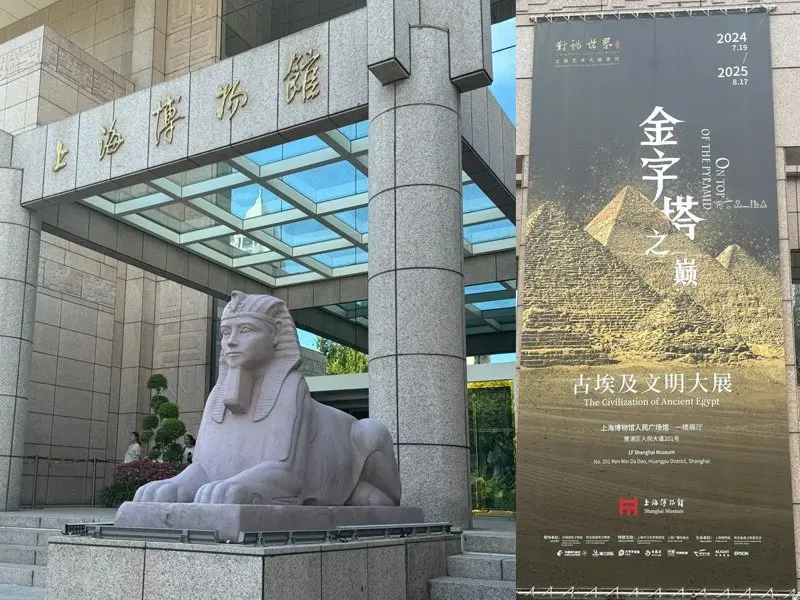
Shanghai Museum: Holds extensive collections of ancient Chinese art. Free, booking advised.
7. Practical Itinerary Tips
Based on your time:
If you’re short on time, our efficient shanghai 2 day itinerary covers the colonial and traditional highlights.
For a deeper, more balanced exploration, our shanghai itinerary 5 days includes museums, historic neighborhoods, and a water town day trip.
Transport: The metro reaches most historic sites.
Final advice: Don’t over‑schedule. Shanghai’s history also lives in ordinary lanes and local markets. Leave time for serendipitous discovery. For ongoing updates and advice, browse our shanghai travel tips section.
Shanghai Historic Tours at a Glance
| Category | Representative Site | Key Historical Period | Suggested Time | Core Experience |
|---|---|---|---|---|
| Colonial Architecture | The Bund Buildings | 1843-1943 (Concession Era) | Half Day | 52 historic buildings, Huangpu River views |
| Classical Garden | Yuyuan Garden | Ming Dynasty (16th C.) | 2-3 Hours | Traditional Jiangnan garden art |
| Historic Neighborhood | Former French Concession | Early 20th Century | Full Day (stroll) | Old villas, plane-tree streets, boutiques |
| Water Town | Zhujiajiao | Ming-Qing Period | One Day | Canals, classical gardens, boat ride |
| Museum | Shanghai History Museum | Comprehensive History | 2-3 Hours | Shanghai’s full timeline from prehistory |
When sunset gilds the Bund’s century‑old facades, the bronze lions gazing over the Huangpu seem to connect Shanghai’s past and future. The city’s history isn’t buried—it’s alive around every corner, waiting to be read and explored.
Planning your own historic Shanghai tour? For personalized advice or local guide recommendations, feel free to reach out via email at [mylocalfriend@163.com] or leave a message on our website. We’re happy to help you design a trip that matches your interests.